
I’ve heard several amateur radio operators say they are running a Barefoot setup. But what does it mean?
It has nothing to do with what is or is not on your feet. But simply means transmitting without an amplifier.
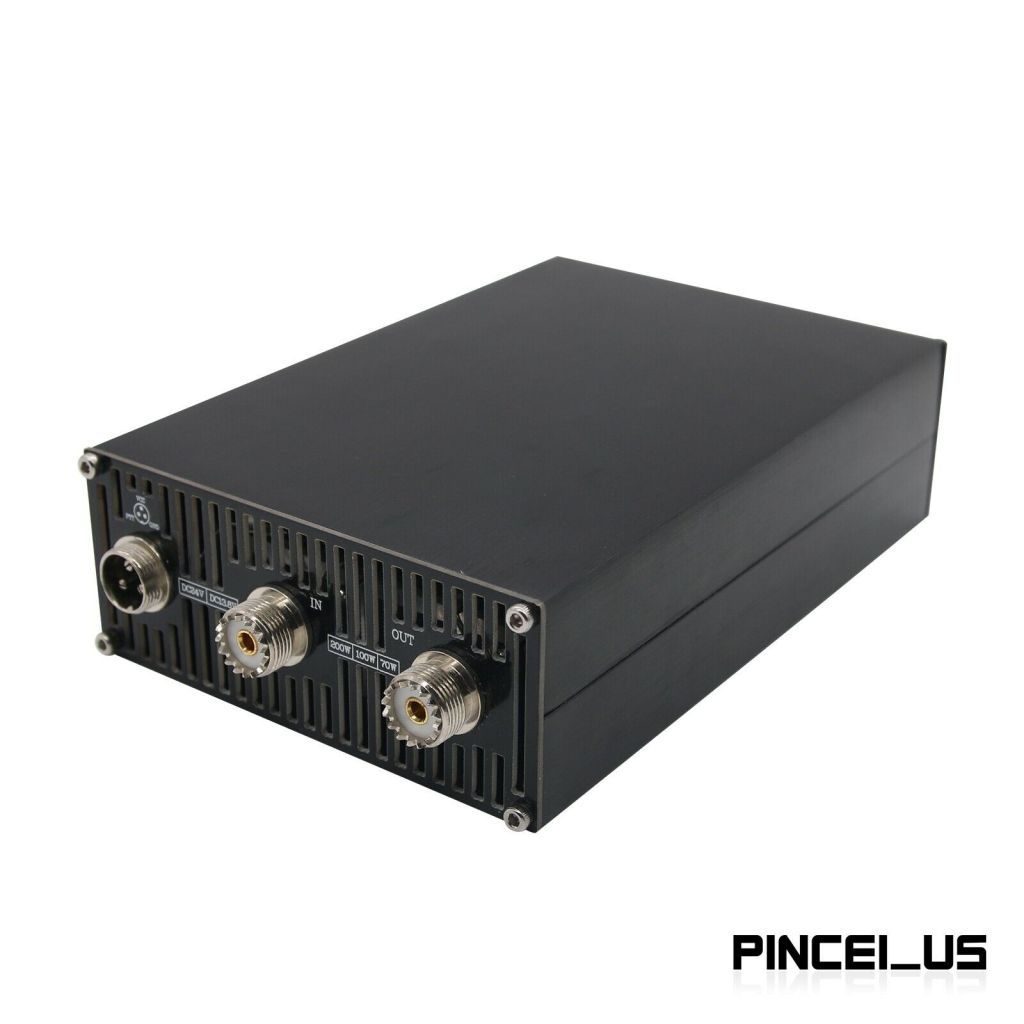
While power helps, the best thing you can do to fix your signal is your antenna. It doesn’t matter how much power you put out if your antenna is facing the wrong way, or not tuned in correctly. If you are struggling to be heard and sure your radio is set up correctly, I would look at the antenna first.
Some operators think there are two types of radio setups, thoughts with amplifiers, and thoughts without. Some see using an amplifier as cheating. I am not sure I would go that far, but if you are putting out a thousand watts, then yes people will hear you, but this doesn’t help you hear them when they put out 100 watts.
So, are you a barefoot operator or not? Perhaps you are on some bands or radios, but not on others?
Why not leave a comment below.
Other things to see
- Baofeng Celebrates 25 Years of Two-Way Radio Innovation
 In 2026, Baofeng celebrates 25 years as one of the world’s best-known manufacturers of affordable two-way radios. Founded in 2001 as Fujian Baofeng Electronics Co.,…
 - 20m vs 17m
 One day I was checking the bands and noticed the 17m band is open for a short period. I have noticed this over a long…
 - HF on a Hand Held?
 Radioditty sent the new GS-10B Pro to me before it was released as they wanted you to see it first. When sending it, they never…
 - CW Skimmer
 CW Skimmer is a popular amateur radio software program used for decoding Morse code signals on the HF bands. The program is widely used by…
 - ADIF Master
 ADIF Master is a popular amateur radio logging software tool used for editing and managing ADIF log files. ADIF stands for Amateur Data Interchange Format,…
 - 15 Metre band
 The 15 metre band is one of the most popular HF amateur radio bands for long-distance communication, offering an excellent balance between reliability and worldwide…
 - Maximum Usable Frequency (MUF) in HF Radio Propagation
 Maximum Usable Frequency (MUF) is an important concept in HF radio propagation and amateur radio communications. It refers to the highest frequency that can be…
 - World Amateur Radio Day
 World Amateur Radio Day is celebrated every year on April 18, marking the founding of the International Amateur Radio Union (IARU) in 1925. The organisation…
 - Amateur TV
 Amateur Radio Television (ATV), often called “ham TV,” is a niche part of amateur television where licensed radio operators transmit live video and audio over…
 - Baofeng UV-5R Mini
 The Baofeng UV-5R Mini handheld radio is a popular and affordable dual-band amateur radio transceiver widely used by beginners and experienced ham radio operators. Designed…
 - Lightning Storm & HF Radio
 HF radio and lightning storms are closely connected because lightning creates strong radio frequency interference that affects HF radio communication (3–30 MHz). High Frequency radio…
 - OpenHamClock
 OpenHamClock is an open-source amateur radio dashboard designed as a modern successor to the original HamClock used by radio amateurs worldwide. It provides a real-time…
 VK3TBS